Fort Meigs: Difference between revisions
Cthtmw1701 (talk | contribs) |
Cthtmw1701 (talk | contribs) |
||
| Line 70: | Line 70: | ||
== Citations / References == | == Citations / References == | ||
[[Category: | [[Category:Haunting]] | ||
[[Category:Apparitions]] | [[Category:Apparitions]] | ||
[[Category:Cold Spots]] | [[Category:Cold Spots]] | ||
Revision as of 06:55, 26 November 2025

Fort Meigs
Overview
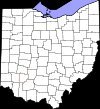
Fort Meigs, located in Perrysburg in Wood County, Ohio, is a reconstructed War of 1812 fortification known for its significant historical role in two major sieges. In addition to its documented military history, the site is associated with numerous ghost stories and reports of unexplained phenomena, many involving apparitions, unusual sounds, and alleged residual activity.
Location
- Address: 29100 W. River Road, Perrysburg, Ohio
- City/County: Perrysburg, Wood County
- Public Access: Yes, during posted hours
Haunting / Legend Summary
Reports describe a range of paranormal activity across the reconstructed fort and surrounding grounds:
- Apparitions of soldiers, a woman and child in Blockhouse #3, and a Native American man.
- Phantom soldiers reportedly seen during re-enactments.
- Claims of residual cannon fire, war drums, and footsteps.
- Activity reported primarily at night or during quiet periods of re-enactor events.
- Witness accounts describe blue lights, lights turning on and off, scratches, cold spots, and electromagnetic fluctuations.
Historical Background
- Construction date: Ground broken February 2, 1813.
- Original purpose: A defensive fortification built under order of General William Henry Harrison as a response to British attacks in the Northwest Territory during the War of 1812.
- Notable events:
- First Siege (May 1–5, 1813):** British forces under General Henry Proctor bombarded the fort. Nearly 600 men were killed on May 5, the bloodiest day of the siege. The British withdrew after several days.
- Second Siege (July 1813):** British and Native American forces attempted to lure American troops into an ambush using a staged battle. A thunderstorm forced the British withdrawal.
- Second Fort Meigs:** After the second siege, the original fort was dismantled and rebuilt as a smaller supply depot, guarded by 100 Ohio militiamen until the end of the war.
- Later history:
 * The fort’s land changed hands several times.
 * A major reconstruction occurred in the 1970s, followed by additional reconstruction efforts in the early 2000s.
 * The site now functions as a historic and educational center interpreting the War of 1812.
- Additional historical context:
 * The grounds also contain prehistoric Native American mounds.
 * Unmarked mass burials of American soldiers are believed to be scattered across the area, including “Kentucky Hill,” where militiamen who died in Dudley’s Massacre were reportedly interred.
Reported Phenomena
- Apparitions: Soldiers; woman and child in Blockhouse #3; Native American man; armies of the dead; woman at the shelter house; phantom sentries.
- Cold Spots: Reported between Blockhouse Six and Blockhouse Seven; reported in multiple structures.
- Voices/EVPs: Claims of EVPs, including “Yeah” in Blockhouse #2; residual cannon shots captured on audio; alleged residual war drums.
- Physical Touches: Reports of being pinched, kicked, and scratched.
- Object Movement: No specific claims beyond sounds of a gun dragging across a window armrest.
- Malfunctions: Reports of lights turning on and off.
- Poltergeist Activity: Loud bangs inside Blockhouse #2 after locking the door; footsteps upstairs where no access exists.
- Shadow Figures: Soldier-like figures seen inside upper levels of blockhouses.
- Time Anomalies: N/A
Skepticism & Alternative Explanations
- Many reports could result from environmental factors common to historic wooden buildings, including settling noises, temperature fluctuations, and structural acoustics that amplify or distort sound.
- Residual or “echoed” sounds such as cannon fire or drums may be misinterpretations of nearby traffic, construction, or wildlife activity, especially in wooded or river-adjacent environments.
- Visual sightings—such as figures in windows or on upper levels—may be influenced by low lighting, reflections, or expectations shaped by the fort’s military history.
- Sensations such as chills or cold spots may correspond to drafts, air movement through gaps in reconstructed structures, or temperature drops associated with proximity to the Maumee River.
- Light anomalies, including blue lights or flickering, could be attributed to electrical issues, moisture intrusion, or external light sources.
- Sensations of touch or scratching may result from insects, clothing shifting, or heightened suggestibility during nighttime tours.
- Skeptics note that re-enactment sites inherently encourage ghost narratives due to costumed actors, historic themes, and high visitor expectations.
Visitor Information
- Visiting Hours: Yes, during posted business and visiting hours
- Fees or Costs: Varies based on scheduled events
- Contact Info: Fort Meigs
- Warnings/Restrictions: There is not enough available information for this section.