Chateau Laroche

Chateau Laroche[edit]
Overview[edit]
Chateau Laroche, located in Loveland, Ohio, is a hand-built stone castle constructed by World War I veteran Harry D. Andrews over a span of 51 years. Known locally as the "Loveland Castle," the structure serves both as a museum and a monument to medieval ideals of chivalry. It is also associated with a number of ghost stories and unexplained phenomena, particularly involving its chapel and the spirit of Andrews himself. The castle remains a unique architectural and cultural landmark in southwestern Ohio.
Location[edit]
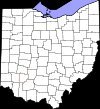
- Address: 12025 Shore Dr, Loveland, Ohio 45140
- City/County: Loveland, Clermont County, Ohio
- Public Access: Yes — guided and self-guided tours are available
Haunting / Legend Summary[edit]
Visitors and caretakers have occasionally reported unusual occurrences within Chateau Laroche. The most persistent story involves the alleged presence of the castle’s builder, Sir Harry D. Andrews, whose ghost is said to linger throughout the structure. Reports often describe strange odors in the chapel — a “sweet and smoky” scent resembling incense, cannabis, or decaying flowers — that appear without an identifiable source.
The chapel, in particular, is frequently cited as an area of unease, with visitors describing an oppressive or claustrophobic atmosphere. Others have reported inexplicable noises, sensations of being watched, and mild physical discomfort, particularly in the dungeon area. No specific time of year or day is consistently associated with these claims.
Historical Background[edit]
Chateau Laroche was constructed largely by hand by Harry D. Andrews, who was born in New York in 1890. A veteran of World War I, Andrews served in both the medical corps and the intelligence division. While in France, he developed a fascination with Norman architecture and medieval fortifications, later studying the subject at Toulouse University.
In 1927, Andrews purchased land along the Little Miami River near Loveland, Ohio, for use by his Sunday school boys’ club. When their tents wore out, he began replacing them with stone structures, gradually expanding these into what would become Chateau Laroche.
Work continued through the Great Depression and beyond. Andrews often labored alone, carrying stones by hand or sledding supplies down the hill behind the property before the access road existed. He incorporated unconventional materials such as milk cartons and oil cans into the construction.
By 1955, Andrews moved into the “Dome Room,” a circular chamber with a stone ceiling that he built despite skepticism from professional masons. He added a dungeon with two small cells, later used as a neighborhood bomb shelter during the Cold War.
Andrews founded the “Knights of the Golden Grail,” a modern chivalric order inspired by medieval values. Members pledged to uphold honor and moral virtue, and some assisted with castle maintenance. Andrews died in 1981 from burns sustained in a trash fire. The Knights of the Golden Grail continue to maintain the property today.
Reported Phenomena[edit]
- Apparitions: The spirit of Harry D. Andrews, sometimes referred to as "Sir Harry," is said to appear within the castle.
- Cold Spots: N/A
- Voices/EVPs: Some visitors have reported faint voices or murmurs, particularly in the chapel.
- Physical Touches: N/A
- Object Movement: Accounts include minor disturbances, such as shoes being mysteriously tied together overnight during group stays.
- Malfunctions: N/A
- Poltergeist Activity: N/A
- Shadow Figures: Occasional reports of shadowy movements in hallways and the chapel.
- Time Anomalies: N/A
Skepticism & Alternative Explanations[edit]
Many of the phenomena reported at Chateau Laroche can be explained through natural or psychological factors. The castle’s stone construction and proximity to the Little Miami River contribute to high humidity, resulting in damp odors that may vary with temperature and airflow. Organic material in the building materials or riverbank vegetation could also create transient scents mistaken for incense or decay.
The claustrophobic feeling experienced by some visitors may result from confined architecture, dim lighting, and uneven air circulation. Motion detectors and reflective surfaces may also create the illusion of movement or presence.
Skeptics suggest that reports of Andrews’ ghost reflect a form of cultural memory or reverence for his lifelong dedication to the castle, rather than evidence of paranormal activity. As with many historical landmarks, expectation and suggestion likely influence perceptions of haunting.
Visitor Information[edit]
- Visiting Hours: There is not enough available information for this section.
- Fees or Costs: There is not enough available information for this section.
- Contact Info: 513-683-4686 (for tours or directions)
- Warnings/Restrictions: Visitors should exercise caution when navigating narrow stairways and confined areas within the structure.
Citations / References[edit]
- Woodyard, Chris. Haunted Ohio III
- Cincinnati Enquirer, November 18, 1979.
- Miami Valley Sunday Magazine, January 18, 1981.